Cookies
We serve cookies on this site to analyse traffic and optimise your experience.


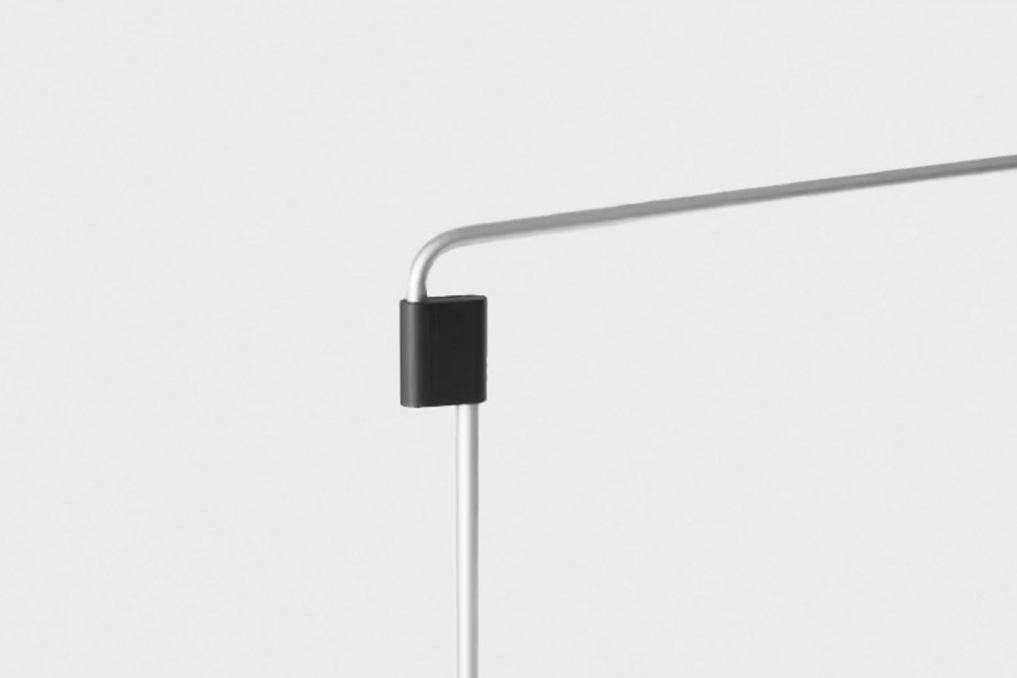
Description:
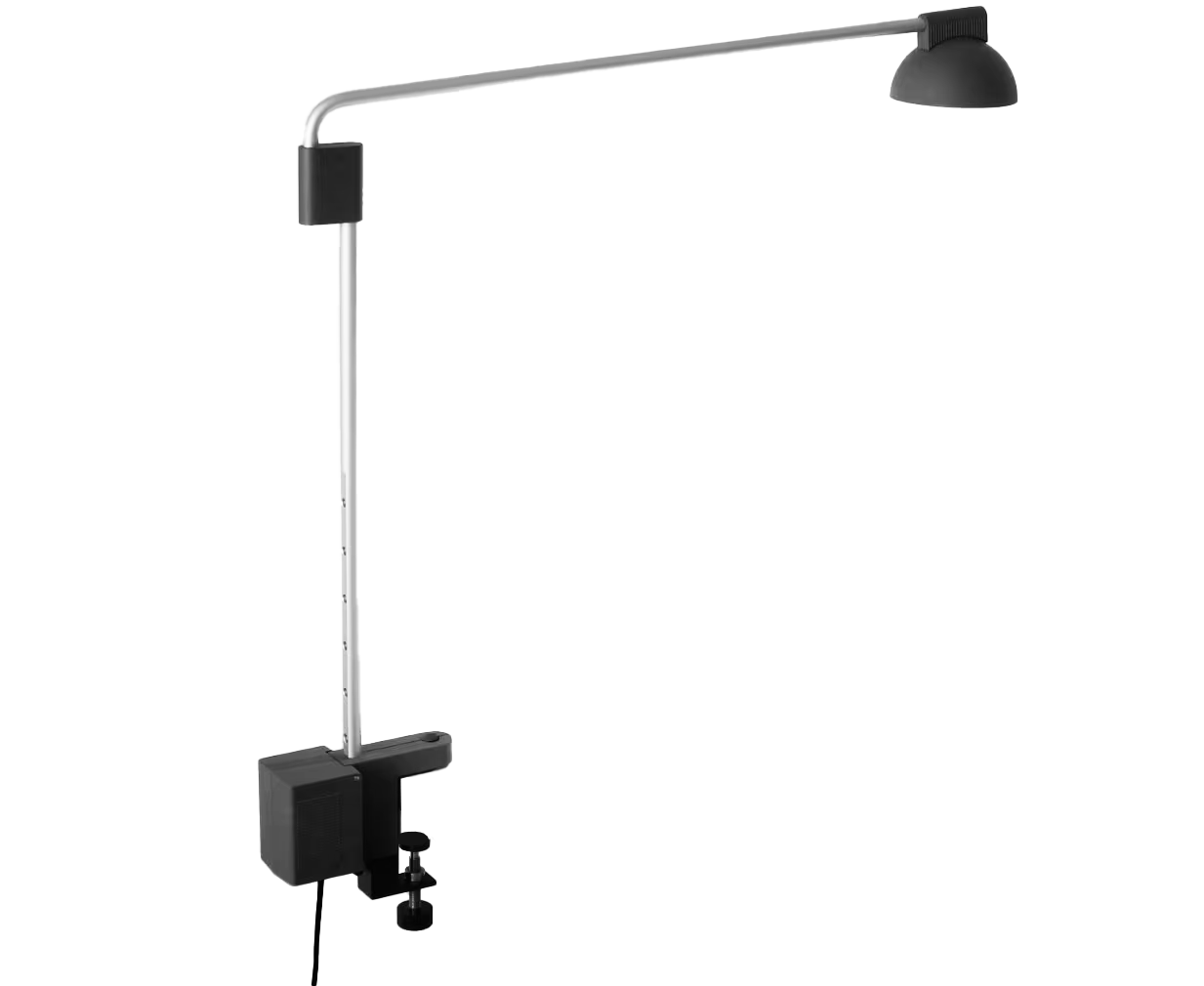
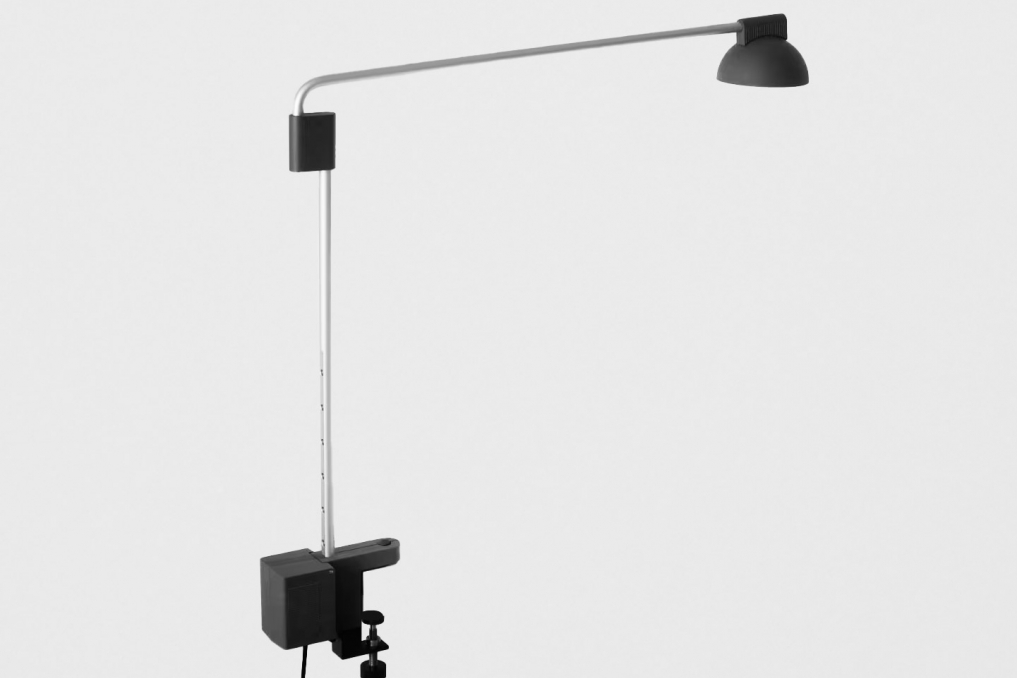
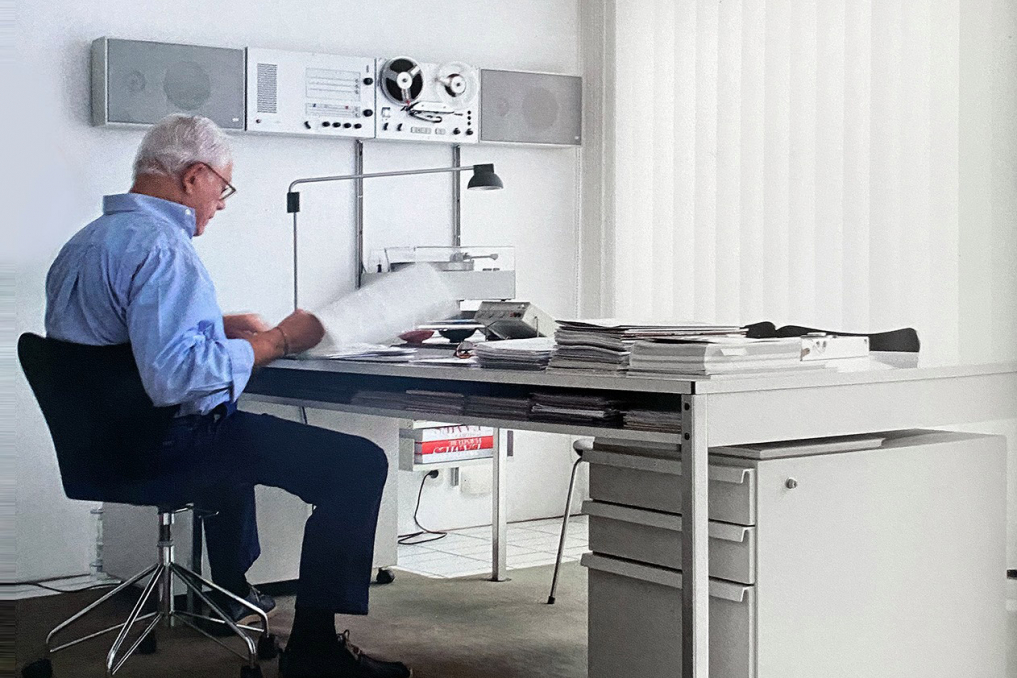
A timeless design icon by Dieter Rams & Andreas Hackbarth—famously seen on Rams’ own desk. Ultra-rare in great condition and uncompromisingly functional, the RHa desk lamp embodies pure, honest design. Clamp-mounted desk light in aluminium and plastic, for tabletops up to 45 mm (clamp depth 35 mm). Includes 50W / 12V halogen bulb.
Dimensions: 63cm x 54cm x 10cm
Weight: 4kg
Item No: 97654
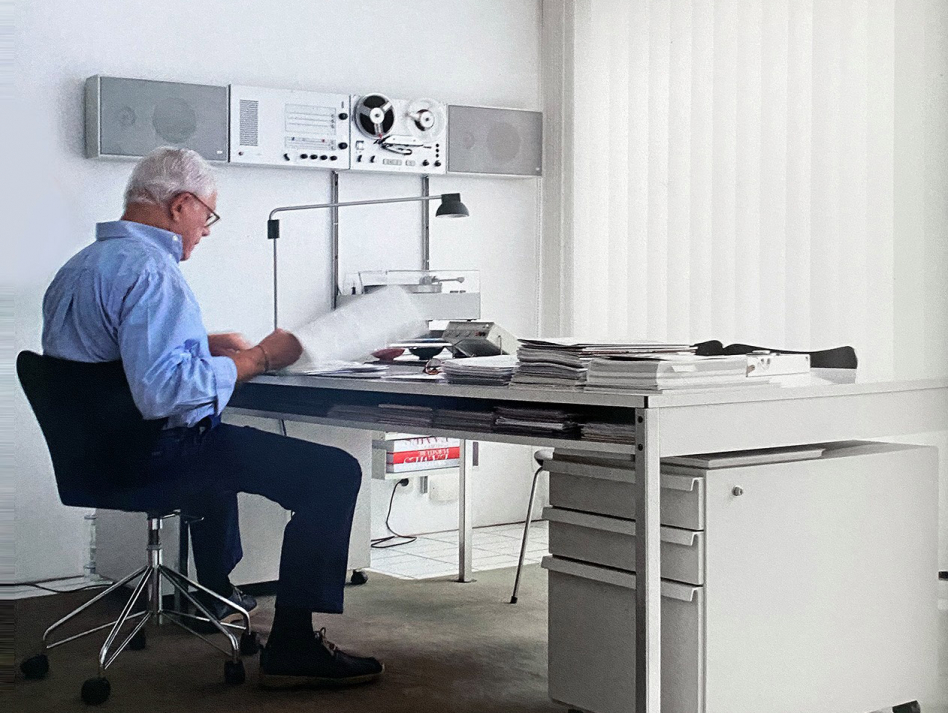 Image: Phaidon Publishing
Designed by Dieter Rams & Andreas Hackbarth
Dieter Rams is a German industrial designer born in 1932. His name is closely associated with the consumer products company Braun, the furniture company Vitsœ, and the functionalist school of industrial design. His unobtrusive approach and belief in "Less, but better" design generated a timeless quality in his products and have influenced the design of many products, which also secured Rams worldwide recognition and appreciation. Dieter Rams started his architecture and interior decoration studies in 1947 at the Wiesbaden Art Academy, which is now part of the Rhein Main University of Applied Sciences. A year later, in 1948, he took a break from his studies, gained practical experience and completed his carpentry apprenticeship. He returned to the Wiesbaden Art Academy in 1948 and graduated with honors in 1953, after which he started working for the Frankfurt architect Otto Appel. In 1955, he was hired by Braun as an architect and interior designer. In 1961, he became Braun's design director and served until 1995.
 Only / Once voucher
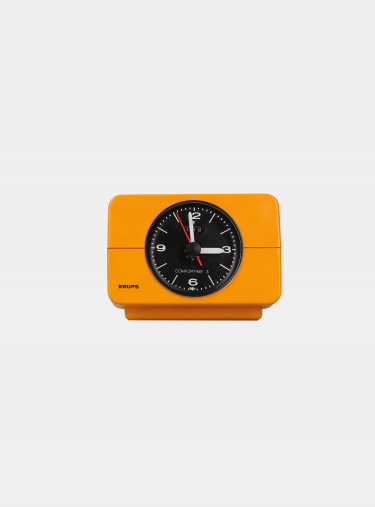 Krups Alarm Clock
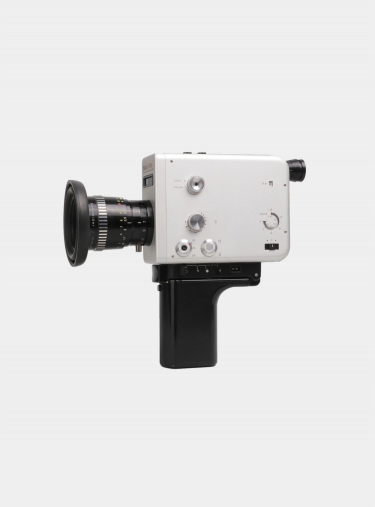 Braun Nizo
 Braun KSM 11